Producing 10,000 excavators annually and selling them to 190 countries, on-site visit to Caterpillar's first manufacturing base in China.
Here is Caterpillar's first manufacturing enterprise in China - Caterpillar (Xuzhou) Co., Ltd. (hereinafter referred to as Caterpillar Xuzhou Plant). Every year, tens of thousands of excavators of different models leave this 370,000-square-meter plant and go to more than 190 countries and regions.
Caterpillar is a global leader in construction machinery, with products including mining equipment, off-highway diesel and natural gas engines, industrial gas turbines, and diesel-electric locomotives, among others.
This year marks the 100th anniversary of Caterpillar Inc. The company entered the Chinese market in the 1970s. At present, it has about 20 manufacturing plants, 2 R&D centers, 2 logistics and distribution centers in China, with more than 12,000 local employees.
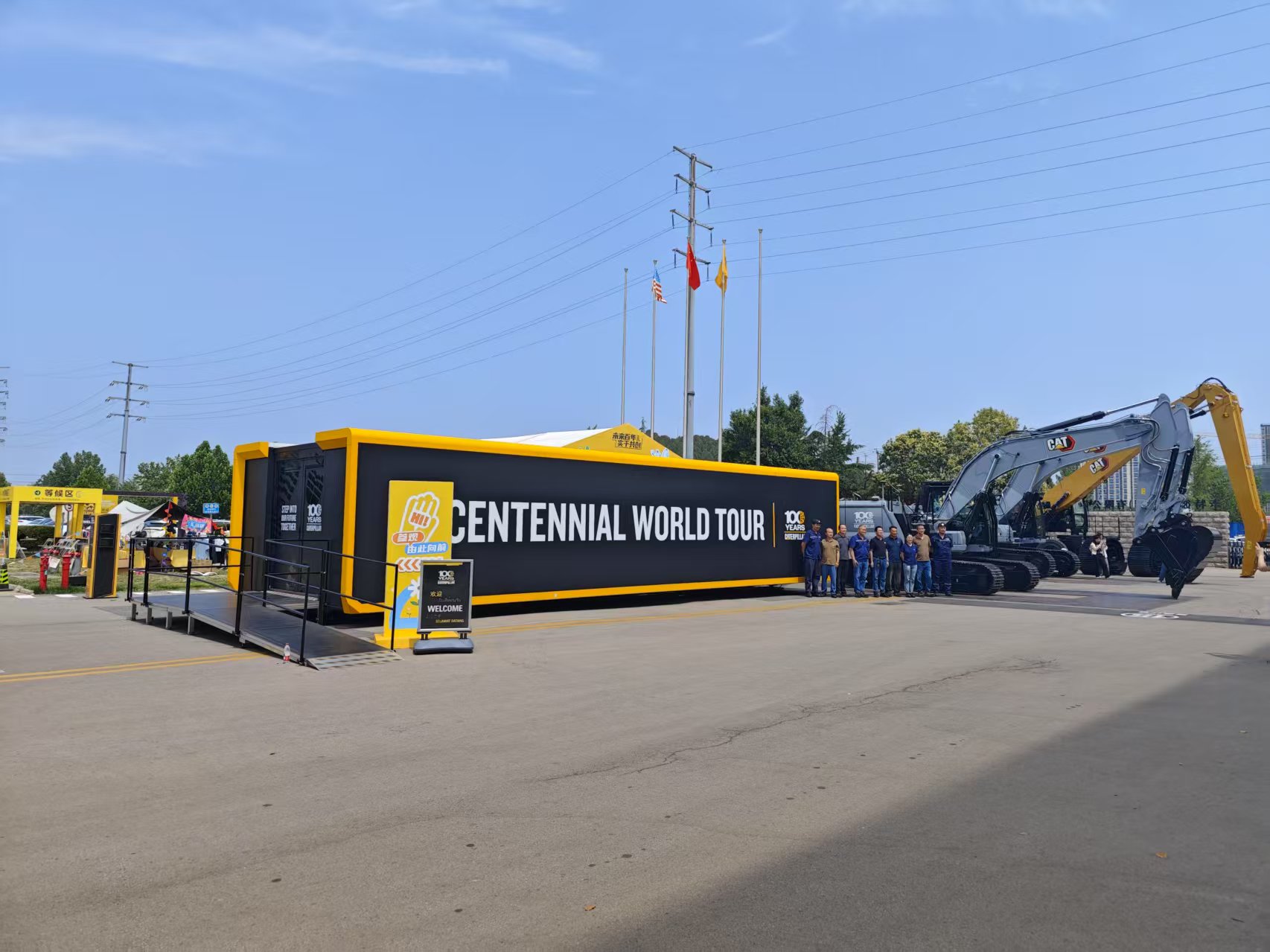
At present, Caterpillar has cultivated a local supply chain in China to promote the overall development of the local industry. According to Ma Jianping, Vice President of Caterpillar Factory Operations, over the past decades, the number of Caterpillar's suppliers in China has increased from the initial 5 to about 700 today, supplying key components for Caterpillar.
Caterpillar Xuzhou Plant, established in 1994, has now become the flagship factory of Caterpillar in China. It is also the Caterpillar global production base with the most comprehensive coverage of excavator models.
Caterpillar Xuzhou Plant currently produces a full range of hydraulic excavators from 12 to 101 tons, covering 39 models. These include the Cat® 320 excavator mainly used in railway, pipeline transportation, airport and other engineering constructions, the new National IV Cat 355 excavator, and the super large tonnage excavator Cat 395, etc.
Ma Jianping stated that since its establishment, Caterpillar Xuzhou Plant has been positioned as a global manufacturing base. In addition to serving Chinese customers primarily, the plant's products are also exported to countries and regions in Asia, Australia, the Americas, Europe, and Africa.
Against the backdrop of global low-carbon efforts, Caterpillar Xuzhou Plant is also undergoing a green and eco-friendly transformation. For example, photovoltaic solar panels have been installed on the roofs of material storage areas, and new energy transport trucks and vehicles are used within the plant.
Ma Jianping said that many enterprises may initially think that green transformation requires huge investment with limited returns, and they consider it more from the perspective of social responsibility and corporate responsibility. However, according to the actual experience of Caterpillar Xuzhou Plant, this is actually a win-win situation, which can not only meet the social requirements for environmental protection but also achieve cost reduction and efficiency improvement.
He gave an example that Caterpillar Xuzhou Plant has set up solar power generation systems in its workshops and material warehouses. Benefiting from China's technological breakthroughs in the new energy sector, the cost of solar power generation has significantly decreased, which is environmentally friendly and has a high return on investment. The Xuzhou Plant has also established energy storage facilities to store and utilize surplus electricity during weekends.
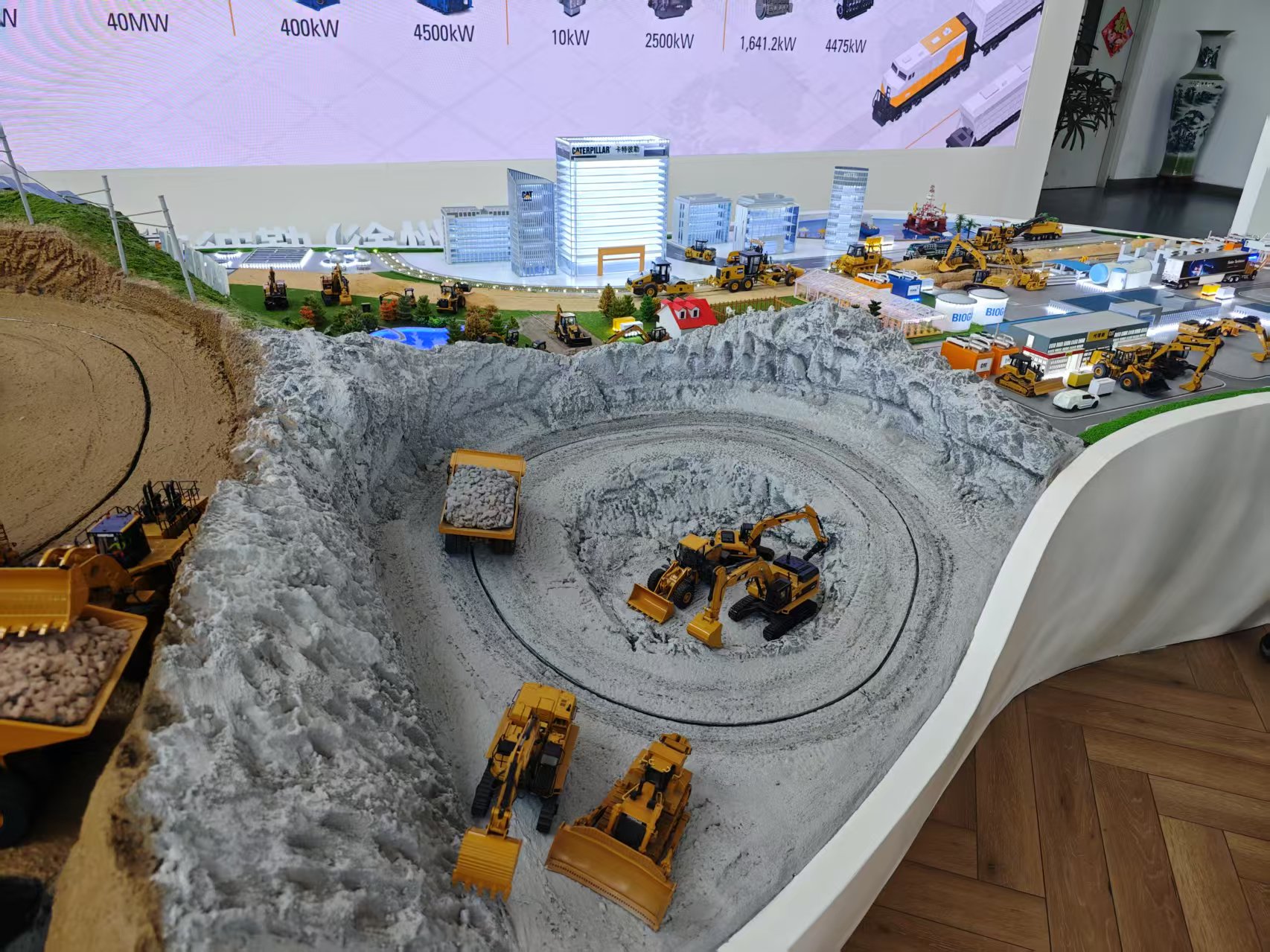
"This is a typical win-win case - it not only aligns with national policy orientation but also enhances corporate competitiveness," said Ma Jianping.
The construction machinery industry is a highly cyclical sector, with its cyclicality mainly influenced by factors such as changes in downstream demand from real estate, infrastructure, exports, and its own equipment replacement cycles.
At present, China's construction machinery industry is in a downward cycle that began in the second half of 2021. According to statistics from the China Construction Machinery Industry Association, the total sales of excavators by major domestic manufacturers declined for three consecutive years from 2021 to 2023, with a slight rebound in 2024.
Ma Jianping said in this regard, "The industry downturn is exactly the time for enterprises to strengthen their internal capabilities and lay a solid foundation, because the next wave will definitely come."
He also pointed out that in the first half of this year, China's excavator market has shown signs of recovery. The market for excavators with a tonnage of 10 tons and above in the industry has shown a positive trend, albeit at a relatively low activity level.
Statistics from the China Construction Machinery Industry Association show that in the first five months of this year, a total of 101,700 excavators were sold domestically, up 17.4 percent year on year; among them, domestic sales were 57,500 units, a year-on-year increase of 25.7 percent.
Su Zimeng, President of the China Construction Machinery Industry Association, stated at the China (Beijing) International Construction Machinery, Building Materials Machinery and Mining Machinery Exhibition held on June 12 that the Chinese construction machinery industry is expected to continue its steady operation and make progress while maintaining stability throughout 2025.